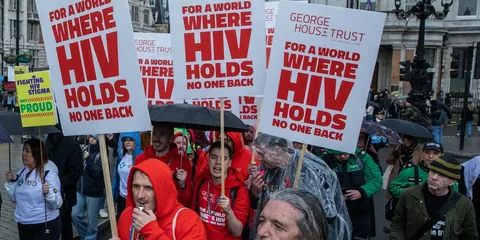
Global efforts to combat HIV/AIDS are facing a critical turning point as cuts to international aid threaten to reverse decades of progress in prevention, treatment, and care. Health experts warn that reduced funding will likely result in millions of additional infections and deaths worldwide, particularly in low- and middle-income countries where access to essential services depends heavily on foreign support.
According to recent reports from leading global health organisations, the reduction in funding comes amid a broader climate of economic uncertainty and shifting international priorities. Countries and donors that have historically provided the bulk of HIV/AIDS financing are now scaling back contributions, raising alarm among healthcare providers and advocacy groups.
The Scale of the Crisis
UNAIDS, the United Nations programme on HIV/AIDS, estimates that more than 38 million people are currently living with HIV globally. While significant strides have been made in recent years, including wider access to antiretroviral therapy (ART) and a decline in AIDS-related deaths, experts caution that these gains are fragile.
“Cuts to HIV/AIDS funding are not just numbers on a balance sheet,” said Dr. Aisha Bello, a public health specialist based in Lagos. “They translate directly into fewer people receiving treatment, less testing, and reduced access to preventive measures. The impact will be measured in lives lost and infections that could have been prevented.”
Recent data show that funding shortfalls are already affecting key services in several high-burden countries. Clinics report shortages of ART drugs, delays in testing, and disruptions to outreach programs targeting vulnerable populations, including sex workers, men who have sex with men, and adolescents.
Impact on Prevention and Treatment Programs
HIV/AIDS prevention programs rely heavily on community-based interventions, education campaigns, and distribution of preventive tools like condoms and pre-exposure prophylaxis (PrEP). Reduced aid threatens the continuity of these programs, potentially leading to higher transmission rates.
In sub-Saharan Africa, which accounts for nearly two-thirds of the global HIV burden, health authorities are particularly concerned. Many national healthcare systems lack the resources to fully compensate for the withdrawal of donor support, leaving millions without access to essential care.
“The risk is exponential,” noted Dr. Bello. “A break in treatment or prevention services doesn’t just affect one individual; it increases the likelihood of onwards transmission across entire communities.”
Beyond statistics, the human toll of funding cuts is profound. People living with HIV who rely on consistent ART risk treatment interruptions that can lead to drug resistance, disease progression, and ultimately, death. Pregnant women without access to proper care face the danger of transmitting the virus to their unborn children, reversing progress in the fight against mother-to-child transmission.
In addition, mental health and social support services, which are integral to long-term treatment adherence, are also at risk. Advocacy groups warn that funding cuts may exacerbate stigma and discrimination, as vulnerable populations lose access to safe and confidential care.
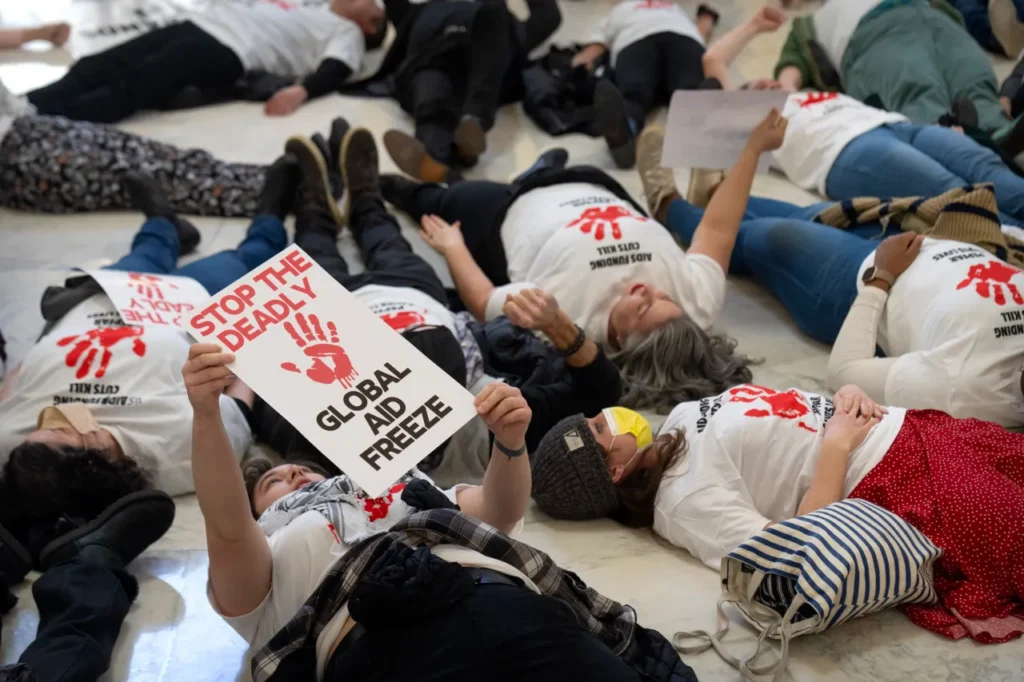
Global health leaders are calling for urgent action to prevent a backslide in HIV/AIDS control. UNAIDS has urged donors to maintain or increase their contributions, highlighting the cost-effectiveness of sustained investment in prevention and treatment.
“Every dollar spent on HIV/AIDS care saves lives and prevents future infections,” the organisation stated in a recent report. “Reducing funding now is a false economy that will be far more expensive in the long run, both in human and economic terms.”
Several African nations are exploring strategies to mitigate the impact of aid reductions, including increased domestic financing and public-private partnerships. However, experts caution that national budgets alone are unlikely to fully bridge the gap left by international donors.
The current situation underscores the fragility of global health gains and the interconnected nature of public health funding. Without decisive action, the world risks a resurgence of HIV infections at a scale not seen in decades.
Health officials stress that the fight against HIV/AIDS cannot be decoupled from broader socio-economic factors, including poverty, gender inequality, and access to education. Effective interventions require sustained investment, political will, and community engagement.
As the global community confronts this funding crisis, the message from health experts is clear: the consequences of inaction will be measured not just in numbers, but in human suffering. Ensuring continuity of care, expanding access to treatment, and maintaining prevention programs must remain top priorities to safeguard the progress achieved over the past 40 years.
Aid cuts to HIV/AIDS programs are more than just a financial issue, they strike at the heart of global health security. Millions of lives hang in the balance, and the ripple effects of disrupted care could be felt for decades. International cooperation, sustained funding, and community-driven solutions are critical to preventing a public health catastrophe that could undo decades of hard-won progress.