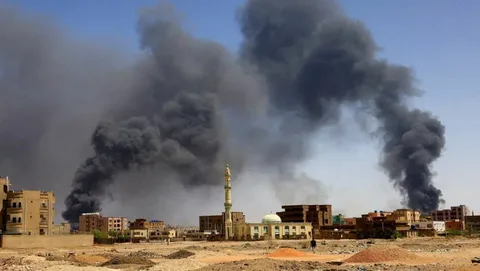
Sudan’s protracted conflict has taken a devastating turn in recent weeks, with multiple reports confirming large-scale massacres, mass graves and civilian executions in territories captured by the paramilitary Rapid Support Forces (RSF). As the death toll continues to rise and new evidence of atrocities emerges, the United States is reportedly considering a broader sanctions package targeting not only RSF commanders but also potentially elements of the Sudanese Armed Forces (SAF), a development that could reshape diplomatic efforts to end the violence.
Eyewitness testimony, satellite imagery analysis and field reporting from UN agencies and humanitarian organisations paint a grim picture of the situation in Darfur, Kordofan and other regions where RSF units have operated with increasing autonomy. Survivors recount instances of house-to-house killings, summary executions in healthcare facilities, and the burning of bodies in open pits. These accounts are corroborated by satellite analysts who have identified new sites consistent with mass burial activity — a chilling sign that the conflict’s human toll is far more severe than international bodies had previously estimated.
Humanitarian workers who managed to leave besieged towns described scenes of chaos and terror. Streets that once bustled with market activity now lie deserted. Hospitals and clinics, already overwhelmed by years of intermittent conflict, have been abandoned, with medical staff fleeing for their lives or killed by roaming fighters. In several documented cases, injured civilians seeking refuge in health centres were reportedly shot as gunmen swept through neighbourhoods.
Estimating an accurate death toll has proven challenging due to ongoing communication blackouts and restricted access. UN officials acknowledge that existing figures only represent a fraction of possible casualties. Blocked roads and intermittent shelling have prevented aid agencies from accessing some of the worst-affected areas, making comprehensive documentation nearly impossible. One senior UN official acknowledged that, in certain regions, reports of massacres may only reach international observers weeks after they occur, due to the complete breakdown in local communications.
On top of the direct violence, the conflict has sparked massive displacement. Aid agencies report tens of thousands of families fleeing their homes, seeking shelter in overcrowded camps or neighbouring countries. These new waves of internally displaced persons (IDPs) are adding strain on already fragmented relief operations, with food shortages, rising disease and limited medical care compounding the crisis.
International human rights organisations have been particularly vocal in condemning what they describe as deliberate targeting of civilians. Reports detail RSF fighters opening fire on families hiding in residential compounds, executing men and boys in front of their relatives, and depriving entire communities of access to food and clean water. These acts, counselled by legal experts, contravene core principles of international humanitarian law and may constitute war crimes.
In response to the mounting evidence, the United States has hinted at a recalibration of its sanctions policy toward Sudan. Until now, Washington’s punitive measures mainly targeted high-profile RSF leaders and financiers already accused of gross human rights abuses. However, senior US officials and diplomatic sources say the Biden administration is reviewing a package of broader sanctions that could include a wider net of RSF commanders, militia backers, and in a potentially controversial move, certain senior figures within the Sudanese military establishment.
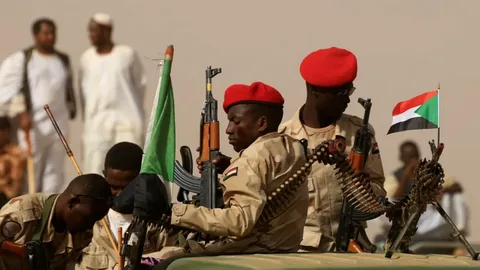
The rationale for broadening sanctions is rooted in growing frustration within Washington and among allied partners. Despite repeated rounds of targeted sanctions and international diplomatic pressure, ceasefire agreements have repeatedly collapsed, and the conflict has expanded geographically and in intensity. Some US policymakers argue that more expansive measures might exert stronger leverage if they simultaneously pressure both the RSF and militarised elements of the SAF that have been accused of either abetting or failing to prevent atrocities.
This potential shift has sparked debate within US foreign policy circles. Proponents of expanded sanctions maintain that holding all sides accountable is essential for credibility and for compelling warring factions to negotiate in earnest. Critics warn that indiscriminate sanctions could worsen the suffering of the Sudanese civilian population and undermine ongoing mediation efforts led by regional partners. The delicate balance between coercive pressure and humanitarian consequence lies at the heart of Washington’s deliberations.
Coordination with regional powers will be crucial if the US proceeds with a more expansive sanctions regime. Several Gulf states, African Union member nations, and European governments have been actively involved in mediation attempts. Their participation, or lack thereof, could determine the success of any coercive strategy. Diplomats familiar with the talks emphasise that sanctions without multilateral backing may encourage warring factions to exploit divisions, further prolonging the conflict.
For local communities, the weight of geopolitical strategy feels distant in the face of everyday survival. In frontline towns across Darfur, many families are living amid acute shortages of food and fuel, relying on sporadic aid drops or smuggling routes through contested territory. Schools and markets have shuttered indefinitely, and funerals have become daily routines. Parents who once hoped for children’s education now worry about keeping the next generation alive.
International aid agencies warn that the disruption of humanitarian supply chains is pushing vulnerable groups to the brink of famine. Many aid convoys have been turned away at checkpoints or looted by armed groups. Communication blackouts and erratic electricity make it harder for aid workers to coordinate relief, and winter conditions in some areas further compound the hardships faced by IDPs living in makeshift shelters.
Meanwhile, legal and investigative mechanisms are gaining momentum among human rights advocates. Many urge the international community to mount independent forensic enquiries into alleged atrocities. Such initiatives often combine satellite imagery, witness testimony, and on-the-ground forensic work, a process that has been used in other conflict zones to document war crimes and preserve evidence for potential war tribunals. Advocates argue that early action is essential not only for eventual accountability but also to deter further abuses.
International observers also caution about the wider regional repercussions of Sudan’s descent into escalating violence. Refugee flows into neighbouring Chad, South Sudan and Egypt are already straining fragile systems. There is fear that uncontrolled refugee movements could destabilise border regions, stretch limited resources, and inflame cross-border tensions. Diplomatic sources say contingency planning is underway in several capitals to manage potential spillover.
As global condemnation grows, some international actors have called for temporary humanitarian truces or safe corridors to facilitate the delivery of aid. However, ceasefire proposals have frequently faltered amid distrust between the warring parties. RSF leaders have insisted on political concessions as a precondition for talks, while SAF leadership has accused the RSF of attempting to seize political power through force rather than negotiation.
For many Sudanese civilians, the pressing need is survival. Aid workers say they are inundated with requests for food, water purification tablets, and emergency shelter kits. Some have suggested that any effective sanctions strategy must be paired with a humanitarian component, ensuring that financial restrictions do not inadvertently choke off aid or penalise civilians.
Within Washington, the policy debate is intensifying as senior US officials await final intelligence assessments and legal reviews before deciding the scope and timing of further sanctions. U.S. diplomats are also engaging with European and African counterparts to build consensus on the most effective measures without deepening humanitarian suffering.
Amid this complex geopolitical calculus, one fact remains undeniable: civilians are bearing the brunt of the violence. Families separated by conflict wander dangerous roads, children go days without proper nutrition, and communities mourn as missing persons lists grow longer. The sense of urgency for a diplomatic breakthrough is palpable among international mediators and humanitarian actors alike.
The coming weeks will likely prove pivotal. Independent investigations, if permitted into affected areas, could rapidly expand the documented record of atrocities. Announcements from Washington on sanctions strategy will signal the level of international resolve. And, perhaps most importantly, any breakthroughs in humanitarian access could save untold lives by delivering critical aid to the most vulnerable.
While global attention has only recently sharpened on Sudan’s latest bloodshed, the conflict’s deep roots and complex alliances make any swift resolution difficult. Yet the convergence of mounting atrocity evidence, growing international outrage, and potential expansion of sanctions sends a clear message: the status quo of impunity and inaction cannot persist. For the people of Sudan, such international pressure offers a fragile beacon of hope amid the darkness of war, so long as it is wielded with precision, compassion, and unity.