In a major shift in migration policy that has sparked nationwide and international debate, the German government has confirmed that it will no longer honour previous commitments to resettle hundreds of Afghan nationals who had been approved for relocation. The affected individuals, many of whom fled Afghanistan after the Taliban takeover in 2021, had been placed on official German admission lists and were awaiting transfer from Pakistan.
The decision marks a significant reversal from earlier promises made under Germany’s previous administration. It has also left approximately 640 Afghans in a state of uncertainty, prompting humanitarian groups, legal advocates and political observers to question the motivations behind the sudden policy change.
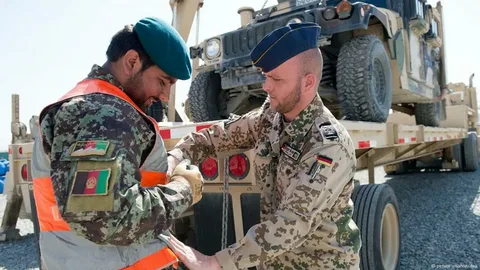
The affected Afghans were part of two German programs that were established after the collapse of Afghanistan’s former government in 2021. These programs were designed to provide safe pathways for Afghans who were considered at risk due to their professional or social ties to Germany or due to their involvement in human rights work, journalism, public service or activism. Many were women who played visible roles in civil society or individuals who cooperated with Western organisations that became targets under Taliban rule.
Under the previous center-left coalition in Berlin, the programs processed thousands of cases. Local Afghan staff, interpreters, educators, pro-democracy advocates and family members were relocated and provided residence in Germany. However, the newly elected conservative-led government has taken a different position, arguing that existing migration systems must be restructured and narrowed in response to growing domestic political pressures.
The Ministry of the Interior stated that the special lists under which these Afghans were approved no longer have a political mandate. Officials indicated that only cases with binding legal commitments will continue to be processed. While the government has not yet publicly disclosed the full criteria that determine which cases meet this threshold, the announcement has made clear that many of the previously approved individuals no longer qualify under the revised rules.
Humanitarian and refugee organisations across Germany have condemned the reversal. Advocates argue that the government is abandoning individuals who relied on German assurances and who now face rising danger due to their prolonged stay in Pakistan, a country that has tightened its policies toward Afghan refugees.
Refugee groups maintain that those who were approved for relocation went through rigorous screenings and were selected because their backgrounds placed them at genuine risk of persecution. Many had been journalists, judges, women’s rights advocates or former staff affiliated with NATO or European Union programs in Afghanistan.
Pro Asyl, a leading German rights organisation, criticised the decision and described it as a failure to uphold moral obligations. According to the group, these Afghans had taken significant risks based on Germany’s guarantees and now find themselves stranded without a clear path forward.
Several international humanitarian networks have echoed similar concerns. They argue that Germany’s reversal could undermine trust in future international cooperation efforts, particularly in conflict zones where local staff rely on Western governments for long-term protection.
For many of the stranded Afghans, the situation in Pakistan has become increasingly precarious. Following shifts in domestic policy, Pakistani authorities have ramped up enforcement measures requiring undocumented Afghans to return to Afghanistan. Reports from advocacy groups indicate that arrests and deportations have increased, and some Afghans awaiting relocation to Germany have already been forced to leave the country.
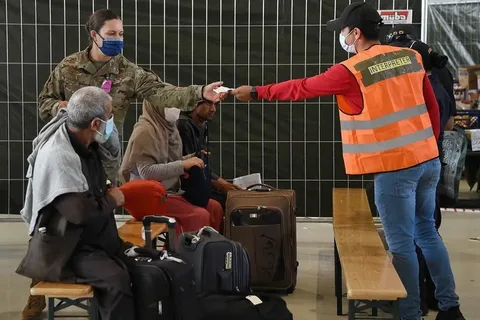
These deportations heighten the risks faced by those who fled Afghanistan specifically because they feared being targeted under Taliban rule. Former prosecutors, civil servants, women activists, and others who once worked with Western missions are considered particularly vulnerable.
Some Afghans have lived in Pakistan for more than a year while waiting for travel documents and flight arrangements. Many sold their belongings, left homes behind, or lived in hiding, believing that relocation to Germany was imminent. The new policy has now left these families uncertain about their next steps and fearful of being sent back to Afghanistan.
The German government has defended its decision by citing rising migration pressures and the need to prioritise domestic capacity. Officials in the ruling conservative coalition have stressed the importance of restoring public confidence in the nation’s migration system, which has been a central concern among voters in recent years.
Political analysts note that the decision aligns with the coalition’s broader strategy to adopt stricter migration controls. The government faces growing pressure from opposition parties that have capitalised on public concerns about asylum seekers and border management. The reversal of Afghan resettlement plans therefore reflects a broader political calculation aimed at demonstrating a tougher stance on migration.
Some government representatives have also stated that while Germany will still offer protection to individuals with legally binding commitments, it cannot accommodate all previous program participants due to policy restructuring and limited administrative capacity.
The decision has already entered the legal arena. At least one Afghan individual who had previously received a relocation assurance successfully secured a court ruling that required German authorities to process the case. Legal experts expect that similar cases may soon be filed by other Afghans who believe the government has violated its earlier obligations.
German constitutional lawyers caution that the government’s reversal could create tension between executive policy and judicial oversight. If courts determine that the state has existing legal obligations toward some individuals on the lists, Germany may be compelled to resume processing specific cases despite the policy shift.
International and Domestic Repercussions
Germany’s standing as a leader in humanitarian protection has long been recognised across Europe. The latest decision has therefore raised concerns about the long-term credibility of its refugee commitments. Critics argue that if Germany can withdraw promises made to vulnerable partners in conflict zones, other countries may question whether similar pledges will be honoured in future crises.
Within Germany, opposition parliamentarians have called for increased transparency about the criteria used to cancel the resettlement lists. Some lawmakers have also argued that the decision fails to reflect Germany’s historic role in international protection efforts.
As the situation unfolds, hundreds of Afghans remain in limbo. Humanitarian organisations continue to urge the German government to reconsider the decision and to prioritise the safe relocation of those most at risk. For now, however, there is no clear indication that the policy will be reversed.
The developments highlight the ongoing tension between national political priorities and humanitarian commitments. For the Afghans who believed Germany would offer them protection, the future remains filled with uncertainty and fear, as legal challenges and political debates continue to shape what may come next.