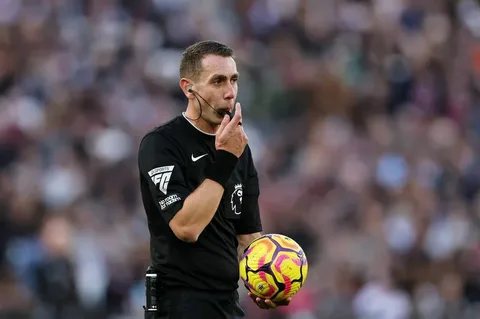
Former Premier League referee David Coote is expected to receive his sentence early next year after formally pleading guilty to making a Category A indecent image of a child. The high-profile case, which has drawn significant public and professional attention, was adjourned after his legal representative could not attend the scheduled hearing. The court confirmed that the sentencing would now take place in January, leaving observers waiting to see how the judicial system will treat one of football’s formerly trusted officials who now stands convicted of one of the most serious offences in the category of child image crimes.
Coote entered his guilty plea during an earlier appearance at Nottingham Crown Court, where he acknowledged responsibility for making an indecent image that police classified as Category A. This is the most severe classification used in the UK, indicating the highest level of exploitation and abuse. The material in question, according to the court, was discovered during a police search carried out as part of a broader investigation into illegal online content. Officers retrieved electronic devices from his home, and forensic examinations revealed the presence of the Category A material that became the basis of the charge.
When Coote entered his plea, the judge ordered a pre-sentence report, a common requirement in cases of this magnitude. Such a report typically includes an assessment of the defendant’s background, mental health considerations, risk factors, and any potential mitigating details that could influence the sentence. Although Coote has no previous convictions, the gravity of the offence means that a prison sentence remains possible. The judge was clear that the court would not rule out custody and that the seriousness of the content would play a major role in determining the final outcome.
Coote appeared visibly subdued throughout the hearings in which he did participate. The delay in his sentencing, while procedural, does little to reduce the public scrutiny surrounding the case. The postponement occurred after his legal counsel was unable to attend for medical reasons, prompting the court to opt for a later date rather than proceed without full representation. Legal analysts note that such postponements, while not uncommon, can generate frustration among the public, especially in cases involving child protection.
The fall of David Coote from respected referee to convicted offender has been swift and dramatic. Coote was once a fixture in the Premier League and held roles in significant fixtures across English football. His name appeared regularly in match appointments at the highest levels, including league competitions, domestic cups, and international duties. His ascent in the world of football officiating was seen as a testament to his technical ability, composure under pressure, and professional demeanour on the pitch.
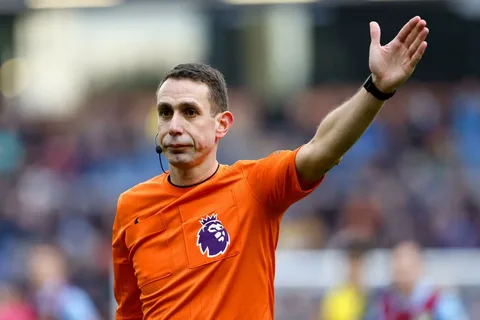
However, his career had begun to unravel even before the criminal allegations. Coote was dismissed by the Professional Game Match Officials body following a disciplinary scandal that involved inappropriate comments about a high-profile football manager. The governing body suspended him for misconduct, which significantly tarnished his reputation. Around the same time, he also faced separate issues involving questionable behaviour while serving in a video assistant referee capacity at a major European tournament. These incidents led to bans and damaged his standing, but none approached the seriousness of the child image charge that would later emerge.
The criminal charge marked an entirely different level of severity and placed Coote at the centre of a deeply troubling case. Under UK law, making an indecent image of a child can include downloading, saving, sharing, or even viewing material in a way that creates or causes a copy to be made on a device. Category A offences are treated with the utmost seriousness because they often contain imagery of real harm and exploitation. Courts are urged to consider the broader impact of such crimes, including the fact that demand for illegal material perpetuates abuse.
As the case has progressed, members of the public and experts in child protection have expressed concern and condemnation. Advocates stress that no individual, regardless of professional status, should escape accountability when it comes to crimes involving exploitation of minors. Others have pointed out that while Coote’s professional decline has been highly visible, the core of the case remains the welfare and dignity of the child or children depicted in the material. The law frames the creation or dissemination of abusive images as a direct contribution to cycles of harm, and sentencing is intended both to punish and deter.
Coote has remained on conditional bail while awaiting sentencing. The conditions include restrictions on unsupervised contact with minors and limits on his residence and movement. Such bail arrangements are standard in cases involving sexual offences or crimes relating to child safety. The restrictions ensure that the defendant remains under oversight while the court awaits reports and prepares for the final sentencing hearing.
Observers expect the January hearing to be decisive. Sentencing guidelines for the offence take into account several factors, including the level of engagement with the imagery, the number of files involved, personal circumstances, risk of reoffending, and cooperation with authorities. Coote’s guilty plea may be considered as a mitigating factor since it spares the court time and spares victims the discomfort of prolonged proceedings. However, the presence of a Category A file is itself an aggravating feature. Courts often emphasise that involvement with such material, even at a minimum level, contributes to an industry of exploitation that causes real harm.
The broader football community has responded with silence or brief statements acknowledging the seriousness of the case. Many fans have expressed shock that a public official, trusted with maintaining order and fairness in the sport, could be involved in such an offence. The situation has opened discussions about welfare, personal conduct, and the pressures faced by referees at the highest levels. While those pressures may explain lapses in judgement under normal circumstances, legal experts are quick to point out that no level of stress can excuse crimes involving minors.
With sentencing set for early next year, the case continues to attract attention from legal professionals, journalists, and the public. The outcome will likely shape discussions about accountability among public figures and the obligations of those who hold trusted positions in society. Coote’s case stands as a stark reminder that personal conduct, whether in public life or private spaces, can carry consequences that reach far beyond career implications. The court will ultimately determine the appropriate punishment, but the tarnishing of his reputation is already irreversible.
The sentencing in January is expected to conclude the legal proceedings, but the impact of the case may persist within both football and wider society. For now, all eyes remain on the upcoming hearing, where the court will determine the penalty for a crime that has already altered the life of a formerly prominent official and sent clear warnings about the legal and moral boundaries that protect children from exploitation.