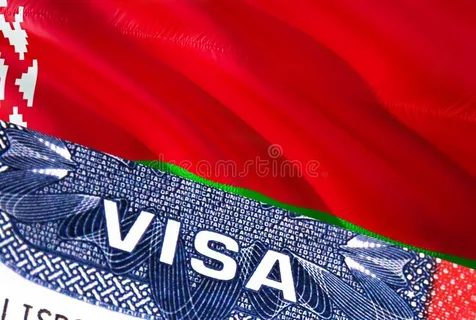
Belarus has formally extended its visa-free entry regime for citizens of 38 European countries until December 31, 2026, a decision that underscores the country’s continuing push to keep its borders open to regional travellers and strengthen economic and tourism ties. The extension, issued through a presidential decree, keeps intact the conditions that have shaped the programme since it was first announced in 2024, giving millions of potential visitors simplified access to Belarus at a time when travel policies across Europe and its surrounding regions remain fluid.
The visa-free framework allows eligible citizens to enter Belarus without a visa for stays of up to 30 days per visit, although citizens of Latvia, Lithuania and Poland, including holders of Latvia’s non-citizen status, continue to enjoy a longer allowance of up to 90 days. Travellers may arrive through any international airport, railway or road checkpoint, provided they hold a valid travel document and respect the rules governing the duration and purpose of their stay.
The decision to extend the policy for another two years reflects Belarus’s ongoing effort to present itself as an accessible and welcoming destination for tourism and short-term business travel. The programme, which began in July 2024, was initially intended to run until the end of the year, but growing traffic through Belarusian borders convinced authorities to prolong it through 2025. This latest extension now carries the visa-free regime to the end of 2026, offering European travellers a measure of consistency at a time of changing travel regulations across the continent.
Officials in Minsk have emphasised that the extension does not introduce any new restrictions or expanded requirements. Eligible travellers are still able to enter Belarus multiple times within the year, but their total visa-free stay cannot exceed 90 days in a calendar year, a standard consistent with neighbouring visa regimes. Travel documents must meet basic validity standards, and the purpose of travel must fit within the parameters of tourism, family visits, transit or short-term business engagements. Holders of diplomatic, service or official passports are generally excluded from the programme, except for those carrying biometric diplomatic passports issued by EU member states, which are already covered under separate agreements.
Since the introduction of the visa-free system, Belarus has recorded a consistent rise in cross-border movement from participating European countries. Tourism agencies and border authorities have pointed to the significant boost in visitor numbers, noting that the programme has helped facilitate both tourism and everyday cross-regional mobility, particularly from Latvia, Lithuania and Poland. Many travellers from these bordering nations tend to make short visits for shopping, family visits and cultural engagements, and the streamlined entry regime has removed one of the practical obstacles that previously discouraged frequent travel.
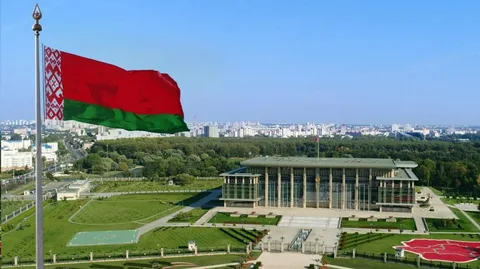
By the end of 2025, Belarusian officials reported that more than two hundred thousand visitors had entered the country using the visa-free privilege, a figure that represents both tourism growth and an uptick in cross-border interactions. Although the number includes travellers with a variety of purposes, the trend has been interpreted as evidence that the simplified entry system has had a substantial impact on visitor flow. Local businesses, particularly in sectors such as hospitality, restaurants, guided tours and small scale commerce, have reported noticeable benefits tied to the increase in arrivals.
The policy also plays a role in Belarus’s broader economic and diplomatic strategy, which has increasingly emphasised openness to travel and investment. In addition to the visa-free regime for the 38 European states, Belarus introduced an electronic visa system in 2025 that covers dozens of other nations. The combination of visa liberalisation and digital access is intended to make Belarus more competitive as a travel destination and more attractive for short-term business travellers looking for low-barrier entry.
Travellers using the visa-free entry are permitted to transit Belarus on their way to other destinations, although transit to Russia under visa-free terms remains restricted. This limitation has been in place since the programme began, due to coordination requirements between the two neighbouring states. Nonetheless, the ability to enter and exit Belarus freely through international checkpoints provides travellers with a flexible passageway that complements broader European and Eurasian travel routes.
The extension through 2026 comes at a time when Belarus continues to navigate a complicated geopolitical environment. Relations with several European states remain tense, and sanctions and policy restrictions elsewhere in the region have reshaped the diplomatic landscape. Even so, the government’s decision to keep the visa-free door open signals an intention to maintain people-to-people contact, encourage cross-border tourism and support the country’s internal economy. Tourism analysts note that the continuation of the programme is a practical move that helps mitigate some of the economic pressures the country faces and provides a stable policy that can be relied upon by travellers and businesses.
Reaction to the extension has been largely pragmatic. For many European travellers who have used the programme since 2024, the continuation removes uncertainty and ensures that travel plans for the next two years can proceed without additional requirements. Within Belarus, the hospitality and service sectors have expressed optimism, framing the extension as an opportunity for sustained growth. Some observers, however, highlight that visa policy alone cannot fully overcome broader diplomatic tensions that influence travel decisions, but acknowledge that maintaining an open regime does provide a pathway for continued engagement.
For the average traveller, the practical implications of the extension are straightforward. Citizens of the 38 countries covered by the policy can continue entering Belarus without a visa until the end of 2026, subject to the existing stay limits. Those from Latvia, Lithuania and Poland retain the longer ninety day allowance that was introduced as part of earlier adjustments to the programme. Multiple entries remain permitted, but total time spent in Belarus during the year must not exceed the ninety-day threshold. Entry through all major international checkpoints remains accessible, and the basic document requirements remain unchanged.
As 2026 approaches, Belarus’s approach to travel policy will likely continue evolving in response to regional dynamics, but the extension of its visa free regime underscores one clear message: the country intends to keep its borders open to its European neighbours. Whether for tourism, business or personal visits, the continuation of this policy provides travellers with predictability and signals that Belarus sees value in preserving movement and interaction across its borders.