
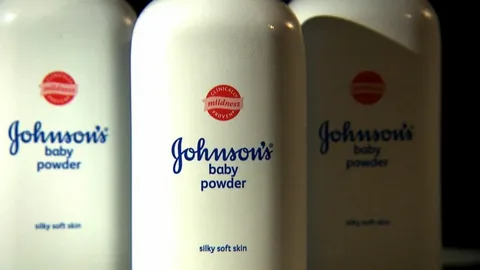
Johnson & Johnson has been ordered by a jury to pay $40 million in damages to women who alleged that prolonged use of the company’s talc-based products caused them to develop cancer. The verdict marks another major legal blow for the global healthcare conglomerate, which has faced years of lawsuits accusing it of failing to warn consumers about potential health risks associated with its talc products.
The ruling followed a closely watched trial in which plaintiffs argued that Johnson & Johnson knowingly marketed talc-based powders as safe despite internal knowledge and scientific evidence suggesting a possible link to cancer. The jury ultimately sided with the women, concluding that the company bore responsibility for their injuries and should be held financially accountable.
Johnson & Johnson, whose talc-based baby powder was for decades one of the most recognisable personal care products in the world, has consistently denied that its products cause cancer. The company maintains that its talc is safe, asbestos-free, and supported by decades of scientific research. Despite these claims, juries in several cases have ruled against the company, intensifying legal pressure and public scrutiny.
The women involved in the case told the court that they used Johnson & Johnson’s talc products regularly over many years, often as part of daily hygiene routines. They said the products were marketed as gentle and safe, reinforcing their belief that long-term use carried no health risks. Several plaintiffs testified that they were later diagnosed with cancer, a development they attributed to extended exposure to talc.
Medical records, expert testimony, and internal company documents formed a central part of the trial. Lawyers representing the women argued that Johnson & Johnson failed in its duty to warn consumers, even as questions emerged about the safety of talc when used in the genital area. They told jurors that reasonable warnings or product changes could have altered consumer behaviour and potentially prevented harm.
The $40 million award includes compensatory damages intended to cover medical expenses, pain, suffering, and emotional distress, as well as punitive damages designed to punish the company and deter similar conduct in the future. Jurors were asked to consider not only whether the products caused harm, but also whether Johnson & Johnson’s conduct warranted financial penalties beyond direct compensation.
Following the verdict, Johnson & Johnson said it strongly disagreed with the jury’s findings and confirmed plans to appeal. The company reiterated that scientific evidence does not support claims that cosmetic talc causes cancer and argued that the verdict was inconsistent with decades of research and regulatory reviews.
In statements issued after the ruling, Johnson & Johnson emphasised that regulatory agencies around the world have found no conclusive link between talc-based powders and cancer. The company also criticised the plaintiffs’ expert witnesses, arguing that their opinions relied on selective studies and unsupported conclusions.
The verdict adds to the growing financial and legal toll of talc-related litigation. Johnson & Johnson has already faced thousands of lawsuits and has spent billions of dollars addressing claims tied to its talc products. While the company remains financially stable, analysts say the steady stream of adverse verdicts poses long-term reputational risks and complicates efforts to put the litigation behind it.
The legal battles have already influenced company strategy. In recent years, Johnson & Johnson discontinued the sale of talc-based baby powder in several markets and shifted toward cornflour-based alternatives. While the company has said these decisions were driven by declining demand rather than safety concerns, critics argue they reflect mounting pressure from litigation and public opinion.
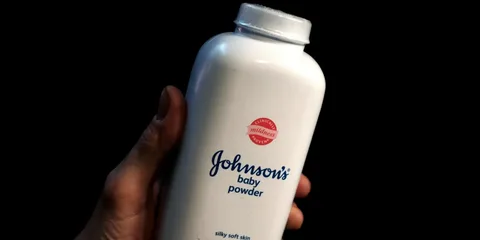
At the heart of the lawsuits is an ongoing scientific debate over whether talc use increases cancer risk. Some studies have suggested a possible association between genital talc use and ovarian cancer, while others have found no statistically significant connection. Health authorities have acknowledged the uncertainty, noting that if a risk exists, it may be small.
In courtrooms, however, the focus is less on scientific consensus and more on legal standards of proof. Jurors are asked to decide whether it is more likely than not that a product caused harm and whether a company failed to act reasonably in warning consumers. This distinction has played a decisive role in talc litigation, allowing cases to succeed even amid scientific disagreement.
Plaintiffs’ experts told the jury that even the possibility of risk should have prompted stronger warnings, especially given the widespread and long-term use of the products. Defence experts countered that the available evidence does not justify cancer warnings and that such labels could mislead or unnecessarily alarm consumers.
Beyond the courtroom, the verdict has had a significant impact on public perception. Johnson & Johnson’s baby powder, once synonymous with trust and family care, has become a focal point in broader discussions about corporate accountability and consumer safety. For many consumers, the ruling reinforces concerns about the transparency of large corporations and the adequacy of product warnings.
Public health advocates say the case highlights the importance of precaution, particularly for products used daily and over long periods. They argue that companies should prioritise consumer safety even when scientific evidence is evolving or incomplete. Industry groups, however, caution against interpreting jury verdicts as definitive proof of harm, noting that legal outcomes do not always align with scientific findings.
The implications of the verdict extend beyond the United States. Johnson & Johnson operates globally, and legal developments in US courts often influence regulatory conversations and consumer attitudes elsewhere. Observers say the ruling could prompt renewed scrutiny of talc products in other countries and encourage regulators to revisit labelling and safety standards.
Some manufacturers in the personal care industry have already moved away from talc, opting for alternative ingredients that carry less legal and reputational risk. Industry analysts suggest the trend could accelerate as litigation continues and consumers increasingly favour products perceived as safer.
Johnson & Johnson’s appeal means the legal process is far from concluded. Appeals courts will examine whether the trial was conducted properly, whether expert testimony met legal standards, and whether the damages awarded were justified. In the meantime, thousands of similar cases remain pending, ensuring that talc litigation will continue to shape the company’s legal landscape.
For the women who brought the lawsuit, the verdict represents validation of their claims and recognition of the harm they say they suffered. For Johnson & Johnson, it is another chapter in a prolonged legal battle that has reshaped its public image and forced changes to a once-flagship product line.
As further cases move through the courts, the broader questions raised by the $40 million verdict remain unresolved. These include how companies should respond to emerging health concerns, how much evidence is sufficient to trigger consumer warnings, and how trust can be maintained when science, law, and public perception collide.
For now, the ruling stands as a reminder that even the world’s largest and most established companies can face serious consequences when questions arise about product safety and corporate responsibility.