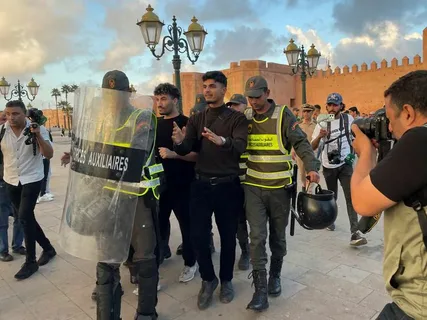
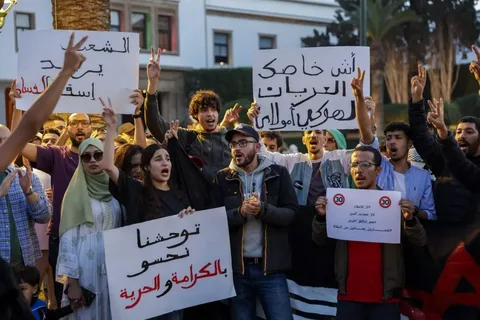
Moroccan authorities are facing growing scrutiny following allegations that detained Gen Z protesters were subjected to abuse while in custody, claims that have intensified national debate over protest rights, policing practices, and the treatment of young demonstrators. The accusations, described by human rights advocates as serious and disturbing, relate to arrests carried out during recent protests in Morocco, driven largely by young people demanding economic relief, social justice, and greater civic freedoms.
The protests, which unfolded in several cities, were organised primarily by young Moroccans in their late teens and twenties. Many of the demonstrators are students or unemployed graduates who say they are grappling with rising living costs, limited job opportunities, and shrinking space for public dissent. Security forces moved in to disperse gatherings, citing concerns over public order, and a number of protesters were taken into custody.
According to lawyers and families of those detained, several young protesters were arrested during demonstrations or in follow-up operations conducted hours or days later. They allege that some detainees were held for extended periods without immediate access to legal representation or timely information about the charges against them. These procedural concerns form part of a broader set of allegations that have fuelled criticism of the authorities’ handling of the protests.
At the centre of the controversy are claims that some detainees were mistreated while in police custody. Legal representatives and advocacy groups report allegations of physical violence during interrogation, verbal intimidation, prolonged questioning, and psychological pressure aimed at extracting confessions or signed statements. Some detainees are said to have complained of being denied adequate medical care despite visible injuries.
Family members who were allowed limited visits have described seeing bruises and signs of distress on detained relatives. Several said the young protesters appeared fearful and exhausted, raising concerns about the conditions under which they were held. Lawyers have requested independent medical assessments and judicial review, arguing that the allegations suggest more than isolated misconduct.
Moroccan authorities have denied accusations of systematic abuse, maintaining that security forces acted within the law and that arrests were carried out to prevent disorder and protect public safety. Officials have emphasised that Moroccan law prohibits torture and ill treatment and provides legal safeguards for detainees. They argue that any claims of abuse should be addressed through established judicial channels.
In official statements, government representatives warned against what they described as exaggerated or unverified reports, saying such narratives risk undermining public trust in state institutions. They pointed to past reforms aimed at improving human rights protections, including training programs for law enforcement officers and oversight mechanisms intended to prevent abuses.
As cases linked to the protests move through the legal system, concerns about due process have become increasingly prominent. Defence lawyers argue that charges against some protesters are vague or disproportionate and rely heavily on police testimony. They have called for transparent court proceedings, access to evidence, and guarantees that confessions were not obtained under duress.
Court hearings in several cases have been postponed, a development that has prolonged detention for some of the accused. Families say the delays have compounded emotional and financial strain, while legal experts note that extended pretrial detention can erode confidence in the justice system, particularly when defendants are young and have no prior criminal record.
Civil society organisations have played a significant role in bringing attention to the allegations. Through public statements and legal support, they have urged authorities to investigate claims thoroughly and hold any perpetrators accountable. Youth groups and informal networks have also mobilised online, sharing testimonies and calling for the release of detained protesters.
Public reaction within Morocco has been mixed. Some citizens have expressed solidarity with the young demonstrators, viewing their protests as a legitimate response to economic pressures and social inequality. Others have emphasised the need for stability and law enforcement, arguing that unauthorised protests pose risks to public order. The divide reflects broader tensions over the balance between security and civil liberties.
The allegations have also drawn attention beyond Morocco’s borders, placing the country’s human rights record under renewed international scrutiny. Analysts say the government’s response, particularly whether it allows independent investigations and transparent legal proceedings, could influence its standing in global discussions on governance and rights.
The prominence of Gen Z protesters in the unrest highlights a generational shift in civic engagement. Young Moroccans, connected through digital platforms and influenced by global movements, are increasingly vocal about governance and accountability. Observers warn that a heavy-handed response could deepen alienation among youth, while meaningful dialogue and reform could help rebuild trust.
Human rights advocates have called for concrete measures, including independent enquiries into alleged abuses, access to medical evaluations for detainees, and safeguards to ensure fair trials. They argue that accountability is essential not only for addressing current cases but also for preventing future violations.
As legal proceedings continue, the allegations of abuse have placed Morocco at a critical juncture. The outcome of these cases will shape public confidence in state institutions and define how the country navigates the growing demands of a young generation seeking change. Whether authorities can address the claims with transparency and fairness remains a key question for Morocco’s political and social future.