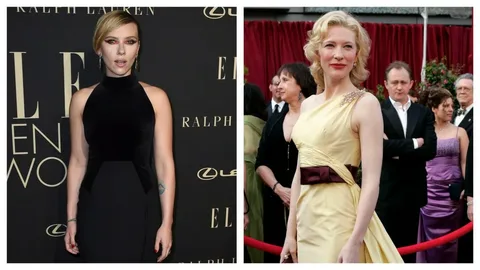
Scarlett Johansson and Cate Blanchett are among hundreds of high-profile actors, musicians and authors backing a growing campaign accusing artificial intelligence (AI) companies of AI theft in the form of using creative work without permission or compensation. The campaign argues that major technology firms have trained AI systems on copyrighted material taken from writers, performers and artists, describing the practice as theft rather than innovation.
The initiative forms part of a broader effort by creative professionals to challenge how generative artificial intelligence systems are built and deployed. At the centre of the campaign is an open letter signed by hundreds of creators across film, television, music, publishing and other creative industries. The signatories say that AI developers have benefited financially from creative works while bypassing established copyright protections and licensing arrangements.
The campaign is coordinated under the banner of the Human Artistry Campaign, a coalition supported by creative industry organisations and unions. These include actors’ unions, writers’ groups and music industry bodies that represent performers, songwriters and recording artists. The campaign does not call for artificial intelligence to be banned but insists that its development must respect existing intellectual property laws and fairly compensate human creators.
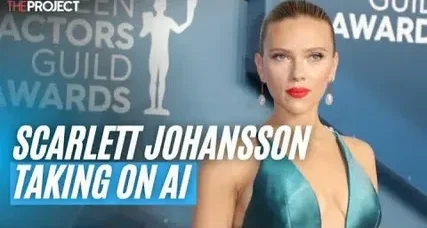
Scarlett Johansson’s involvement has drawn particular attention given her previous public criticism of AI technology that appeared to replicate a voice similar to her own. Johansson has previously stated that the use of AI-generated voices or likenesses without consent poses serious risks to performers’ rights and personal identity. Her participation in the campaign reflects broader concerns among actors about how AI could be used to replicate voices, faces and performances without approval.
Cate Blanchett has also been vocal about the need to protect artistic labour in the digital age. Her support adds weight to the campaign, particularly within the international film community, where concerns about AI-generated performances and scripts have intensified in recent years.
The list of supporters extends well beyond Johansson and Blanchett. Actors backing the campaign include Joseph Gordon-Levitt, Olivia Munn, Mark Ruffalo, Julianne Moore, Bryan Cranston and Fran Drescher. Many of these performers have been active in previous labour disputes related to streaming, residuals and digital rights, and see AI as the next major challenge facing their professions.
Musicians supporting the campaign span multiple genres and generations. They include Bonnie Raitt, Cyndi Lauper, Aimee Mann, Simon Le Bon, Ryan Tedder, Jennifer Hudson, Common, Black Thought, LeAnn Rimes, Ledisi and Tayla Parx. Bands and music groups such as R.E.M., OneRepublic, MGMT and OK Go have also added their names. These artists argue that AI-generated music systems are being trained on decades of recorded work without licences, threatening both creative control and future earnings.
Authors and literary figures have also joined the campaign, reflecting concerns within the publishing world. Writers such as Jonathan Franzen, Jodi Picoult, James Patterson and George R. R. Martin have previously raised alarms about AI systems being trained on books, articles and essays without consent. Many authors argue that the unauthorised use of literary works undermines the economic foundation of writing at a time when the profession is already under pressure.
At the core of the dispute is how generative AI systems are trained. These systems require massive datasets, often scraped from the internet, including films, music recordings, books, scripts, news articles and artwork. AI developers have argued that using publicly available content falls within existing legal frameworks or fair use principles. Creators counter that the scale, purpose and commercial value of AI training go far beyond what copyright law ever intended to permit without consent.
The campaign’s statement emphasises that many AI companies are now valued in the billions and are seeking to monetise products built on creative content. Supporters argue that while technology firms benefit financially, the creators whose work underpins these systems receive nothing and are often not even informed that their work has been used.
The campaign also highlights the availability of alternative approaches. Supporters point to licensing agreements already used in music, film and publishing as evidence that AI development can proceed legally and ethically. They argue that negotiated licences would allow AI innovation while ensuring creators are paid and credited, rather than sidelined.
Concerns over AI have already played a role in major labour disputes. In 2023, actors and writers in the United States staged strikes that included demands for protections against AI use. Agreements reached during those disputes included limits on how studios could use AI to replicate performances or generate scripts. However, campaign backers say these protections are limited and do not address the broader issue of how AI systems are trained in the first place.
The campaign arrives amid increasing legal scrutiny of AI firms. Multiple lawsuits are ongoing in different jurisdictions, brought by authors, visual artists, news organisations and music publishers. These cases seek to determine whether training AI on copyrighted material without permission constitutes infringement. While outcomes remain uncertain, supporters of the campaign argue that waiting for court rulings alone is insufficient given the pace of AI development.
Policy debates have also intensified. Governments in Europe and North America are grappling with how to regulate AI while encouraging innovation. Proposals that would allow AI firms to use copyrighted material unless creators opt out have faced strong opposition from artists and rights holders, who argue that such frameworks shift the burden unfairly onto individuals.
The campaign frames the issue not only as a legal dispute but also as a cultural and economic one. Creative industries employ millions of people worldwide and contribute significantly to national economies. Supporters warn that weakening copyright protections could destabilise these industries and reduce incentives for original creation.
Critics of the campaign argue that restricting access to data could slow technological progress and limit the potential benefits of AI, including new creative tools. Campaign supporters respond that innovation does not require uncompensated use of others’ work and that respecting creators’ rights will ultimately lead to more sustainable technological development.
The involvement of high-profile figures has amplified public attention on the issue. By uniting actors, musicians and authors across disciplines, the campaign signals a rare level of coordination within the creative community. Supporters say this unity reflects the scale of concern and the shared belief that the current trajectory of AI development poses long-term risks to creative professions.
While the campaign does not propose specific legislation, it calls on technology companies to change their practices voluntarily and urges policymakers to ensure that copyright law remains meaningful in the age of artificial intelligence. Supporters argue that clear rules and licensing requirements would provide certainty for both creators and AI developers.
The debate is expected to continue as AI technology advances and becomes further integrated into entertainment, publishing and media. For Johansson, Blanchett and hundreds of other signatories, the campaign represents an attempt to assert boundaries before those industries are permanently reshaped.
As artificial intelligence becomes more capable of generating text, music and images that resemble human-created work, the question of who owns the underlying creative labour is becoming harder to ignore. The campaign’s message is direct and consistent: technological progress should not come at the expense of the people whose work made it possible.
Whether the campaign leads to changes in industry practice or legislation remains uncertain. What is clear is that the issue has moved from a niche legal debate into a central conflict between technology companies and the creative industries. With some of the most recognisable names in film, music and literature now openly accusing AI firms of theft, the pressure for a resolution is unlikely to fade anytime soon.