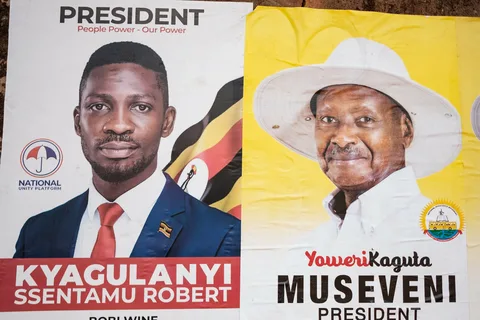
Uganda’s most recent general elections have once again placed the country’s political future under scrutiny, particularly among young people who say the vote reflects deeper structural problems rather than democratic renewal. President Yoweri Museveni secured another term, extending his rule toward four decades in power, but the aftermath of the elections has been marked by contested results, arrests of opposition figures, security deployments, and renewed public debate about the direction of the country.
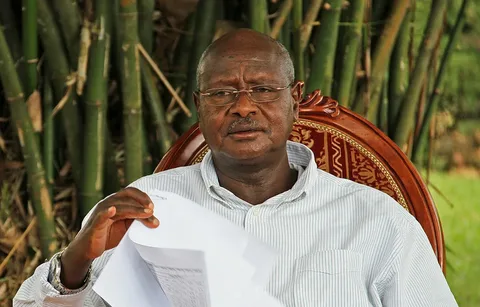
For many Ugandan youths, the elections did not represent a turning point but a continuation of a political pattern they have known all their lives. Museveni first took power in January 1986, following a guerrilla war that ended years of instability. Nearly 40 years later, he remains the central figure in Uganda’s politics, governing a country where the majority of citizens were born long after his rise to power.
Uganda’s population is one of the youngest globally. More than three-quarters of Ugandans are under the age of 30, and a significant portion are first-time or second-time voters. Yet this demographic dominance has not translated into political influence, a reality that has fuelled growing frustration.
Elections that Reinforced Long-standing Concerns
The recent elections followed a familiar pattern observed in previous polls. Campaign periods were characterised by restrictions on opposition rallies, heavy security presence, and allegations of voter intimidation. Several opposition candidates and supporters were arrested or detained during the campaign, while media outlets faced warnings over coverage deemed unfavourable to the government.
Election observers and opposition parties raised concerns about transparency, vote counting, and the overall credibility of the process. While the government rejected allegations of fraud and defended the elections as free and fair, the disputed outcome deepened scepticism among young voters who already viewed the political system as closed.
Internet restrictions and limits on social media access during the election period further heightened tensions. For young people who rely heavily on digital platforms for information and mobilisation, these measures reinforced perceptions of deliberate political control.
Museveni’s Rise and Consolidation of Power
When Museveni assumed office in 1986, he presented himself as a reformist leader determined to break Uganda’s cycle of coups and authoritarianism. His early years in power were marked by relative stability, economic recovery, and improved relations with international partners.
Over time, however, the political landscape changed. Constitutional amendments removed presidential term limits in 2005 and age limits in 2017, allowing Museveni to continue contesting elections indefinitely. These changes were met with protests and parliamentary resistance but ultimately passed, further entrenching his position.
Museveni has since won multiple elections, often with large margins, though opposition groups consistently challenge the legitimacy of these victories. The concentration of power around the presidency, coupled with the long tenure, has become a central concern for critics.
Youth, Numbers without Power
Despite their numerical strength, young Ugandans often feel excluded from meaningful political participation. Many say decision-making remains dominated by an older political class with little understanding of the economic and social realities facing the younger generation.
Youth unemployment remains a persistent issue. Each year, hundreds of thousands of young people enter the labour market, but job creation lags behind population growth. Formal employment opportunities are limited, forcing many into informal work with low income and no security.
Graduates face particular challenges, with degrees offering no guarantee of employment. Many young Ugandans cite nepotism, patronage, and corruption as barriers to opportunity, reinforcing the belief that success depends more on political connections than merit.
Cost of Living and Economic Pressure
Rising living costs have intensified youth dissatisfaction. In urban areas, food prices, transport fares, and housing costs have increased steadily, stretching household budgets. For young people without stable income, economic pressure shapes daily life and future prospects.
Government initiatives aimed at youth empowerment, including skills training and enterprise funds, have had limited impact. Critics argue that these programmes are underfunded, poorly managed, or politicised, benefiting a small group rather than addressing structural unemployment.
The gap between official economic growth figures and lived experience has contributed to distrust in government messaging, particularly among younger citizens.
Political Expression and Repression
Youth frustration has increasingly translated into political expression. Protests, online campaigns, and grassroots mobilisation have become common features of Uganda’s political environment, especially during election periods.
High-profile opposition figures have drawn significant youth support by framing political change as a generational struggle. Music, art, and social media have played key roles in mobilising young people and shaping political narratives.
The state response has been firm. Security forces have dispersed protests, arrested organisers, and enforced restrictions on public gatherings. Laws governing public order, cyber activity, and national security have been used to limit dissent, drawing criticism from rights groups.
The government maintains that such measures are necessary to maintain stability and prevent unrest. Young activists, however, argue that peaceful political expression is being criminalised.
Media and Shrinking Civic Space
Independent media outlets operate in a challenging environment. Journalists covering opposition activities or security operations have faced arrests, assaults, and regulatory pressure. Radio and television stations have been suspended or warned over political content.
For young Ugandans, this shrinking civic space limits access to information and platforms for debate. Online spaces have become crucial alternatives, though they too face surveillance and periodic restrictions.
Despite these obstacles, civic engagement persists. Youth-led initiatives focusing on voter education, legal awareness, and community organising continue to operate, often at personal risk.
Corruption and Trust in Institutions
Corruption remains a major source of disillusionment. Allegations of mismanagement of public funds regularly emerge, particularly in sectors such as health, education, and infrastructure. High-profile investigations rarely lead to convictions, reinforcing perceptions of impunity.
Young people often link corruption directly to their daily struggles, underfunded schools, inadequate healthcare, and limited employment opportunities. The perceived failure of institutions to hold powerful individuals accountable undermines trust in governance.
While the government has established anti-corruption bodies and pledged reforms, critics argue that enforcement is selective and lacks independence.
Security, Stability, and Governance
Museveni’s government has positioned itself as a guarantor of stability, both domestically and regionally. Uganda plays a significant role in regional security operations and international peacekeeping missions, which has strengthened its strategic partnerships.
At home, however, the expanded role of security forces in civilian governance has raised concerns. Military and intelligence agencies are increasingly visible in political processes, from election security to crowd control.
For many young Ugandans, stability is valued but not at the expense of political freedoms and accountability.
A Generational Demand for Change
The divide between generations is now one of the defining features of Uganda’s political landscape. Older supporters often credit Museveni with preventing a return to past instability. Younger critics argue that prolonged rule has produced stagnation and closed political space.
Youth demands extend beyond leadership change. Calls focus on institutional reform, credible elections, independent courts, economic inclusion, and respect for civil liberties. The message is consistent: change is needed not only in who leads, but also in how the country is governed.
Looking Ahead
As Uganda moves forward after another contested election and toward 40 years under the same leader, the question of political transition looms large. The absence of a clear succession framework continues to generate uncertainty.
The government insists that continuity supports development and security. Youth voices counter that without meaningful reform, economic and political pressures will intensify.
For Uganda’s young population, the future remains unresolved. What is clear is that they are increasingly vocal, politically aware, and unwilling to accept a status quo that offers limited opportunity.
Their message reflects a broader national question: whether Uganda’s next chapter will be shaped by generational renewal and institutional reform or by the continued dominance of a system that has defined the country for nearly four decades.