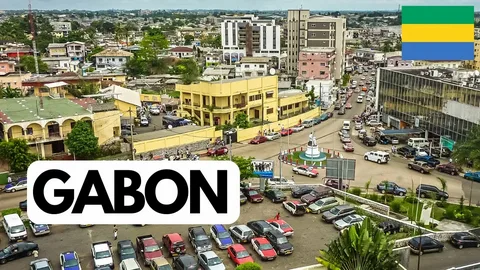
Gabonese authorities have suspended access to major social media platforms indefinitely following disputed political developments and public unrest. The decision, announced through official government channels and the communications regulator, was framed as a security measure aimed at preventing the spread of what officials described as false information and incitement.
The shutdown affects platforms widely used across the country, including Facebook, X, WhatsApp, Instagram and other messaging services. Access disruptions began shortly after tensions escalated in the capital, Libreville, and other major cities. Telecommunications operators implemented the restrictions nationwide under regulatory directives. The government has not provided a clear timeline for restoring access.
What Triggered The Indefinite Suspension
The suspension followed heightened political tension linked to electoral disputes and allegations of irregularities. Opposition figures and civil society actors had raised concerns about transparency in the electoral process. Shortly after official results were announced, isolated protests were reported in parts of Libreville and Port-Gentil.
Authorities stated that online platforms were being used to circulate unverified claims about the vote count and to mobilise unrest. The Ministry of Communication said the temporary measure was necessary to preserve public order and prevent violence.
Government officials described the situation as sensitive and warned against what they termed “digital destabilisation”. Security forces were deployed to key locations including government buildings and broadcast stations.
The decision to suspend social media was taken under existing communications and cybersecurity regulations, which grant authorities emergency powers during periods of national security concern.
How The Shutdown Was Implemented
The restriction was enforced through directives to internet service providers and mobile network operators. Users attempting to access social media platforms reported connectivity failures, blocked domains and disrupted messaging services.
Unlike a complete internet blackout, the suspension appears to be targeted at specific applications and social platforms rather than full broadband disconnection. Banking services, email systems and some websites remain accessible.
Network monitoring groups and digital rights advocates observed sharp drops in traffic to major social platforms from Gabonese IP addresses. The technical approach suggests filtering at the provider level rather than nationwide infrastructure shutdown.
Authorities have not disclosed the technical duration of the order, but the use of the term “indefinitely” in official statements indicates that restoration will depend on political and security developments rather than a fixed deadline.
Government Justification And Official Position
The Gabonese government maintains that the measure is preventative, not punitive. Officials argue that misinformation circulated online can rapidly inflame tensions in a politically sensitive climate.
In statements broadcast on state media, authorities emphasised that the priority is maintaining peace and preventing violence. They cited previous incidents in other countries where online rumours contributed to unrest.
Security agencies warned that individuals found spreading inciting content may face legal consequences under cybersecurity and public order laws.
No formal state of emergency has been declared, but security presence in urban areas has been visibly increased.

Political Context Behind The Decision
Gabon has experienced periods of political tension in recent years. Electoral disputes have historically been flashpoints for demonstrations and security responses.
The latest developments come amid broader concerns about governance, transparency and institutional credibility. Opposition groups have called for clarity on vote tabulation processes, while government officials insist that constitutional procedures were followed.
Civil society organisations have urged calm and requested independent verification mechanisms to address contested claims. Some international observers have called for dialogue and restraint from all parties.
While the government frames the social media suspension as a security measure, critics argue that such actions restrict freedom of expression and limit citizens’ access to information during critical political moments.
Economic And Social Impact
Social media platforms play a significant role in Gabon’s digital economy. Small businesses rely on WhatsApp and Facebook for customer communication and sales. Influencers, digital marketers and online entrepreneurs depend on uninterrupted connectivity for income.
The indefinite suspension is therefore expected to affect commerce, advertising and informal trade conducted online. Young people, who form a substantial portion of social media users, are particularly impacted.
Banks and essential services remain operational, but communication gaps have created uncertainty for businesses that depend on digital coordination.
There are also implications for journalism. Independent media outlets often use social platforms to distribute updates quickly. With those channels restricted, information flow becomes more dependent on traditional broadcast systems.
Regional And International Reactions
Digital rights organisations have criticised the move, stating that internet restrictions during political events undermine transparency and accountability. Several advocacy groups have called for the immediate restoration of access.
Regional bodies have urged calm and adherence to constitutional processes. While no formal sanctions have been announced in response to the shutdown, diplomatic attention has increased.
Internet shutdowns during elections are not unprecedented in parts of Africa. Similar measures have been implemented in other countries during periods of political tension, often drawing criticism from rights groups.
The African Union and international observers typically encourage dialogue over communication blackouts, arguing that open information channels can reduce misinformation when properly managed.
Gabon’s communications laws allow authorities to regulate digital networks during national security concerns. These provisions grant regulators the authority to instruct service providers to block access to specific platforms.
The government’s justification rests on preventing incitement and maintaining stability. However, critics question whether such measures meet proportionality standards under international human rights principles.
There has been no official court challenge announced at the time of writing, but legal analysts suggest that prolonged suspension without defined criteria for restoration may face scrutiny. The use of indefinite language raises questions about oversight mechanisms and accountability.
The restoration of social media access will likely depend on political developments and security assessments. If tensions ease and no further unrest is reported, authorities may lift restrictions. However, if disputes escalate, the suspension could remain in place longer.
Observers note that prolonged digital restrictions can increase public frustration rather than reduce it. Communication transparency may therefore become central to resolving the broader political situation.
For now, Gabon remains in a state of restricted digital communication, with authorities prioritising stability and critics raising concerns about civil liberties.
The situation remains fluid, and further announcements from the government are expected as developments unfold.