
FIFA has announced the introduction of $60 World Cup tickets reserved for what it describes as “loyal fans”, a move that comes after months of sustained criticism over rising ticket prices and the growing perception that football’s biggest tournament is drifting further away from its traditional supporters.
The announcement marks a significant shift in tone for world football’s governing body, which has faced mounting pressure from fans’ groups, national associations, and commentators who argue that the World Cup is becoming increasingly inaccessible to ordinary supporters. While FIFA has framed the new ticket category as part of a broader effort to enhance inclusivity, the decision has also sparked fresh debate about who qualifies as a “loyal fan” and whether the initiative goes far enough to address deeper structural concerns.
Background to the Criticism
The modern World Cup has evolved into a global commercial spectacle, generating billions of dollars in broadcasting, sponsorship, and licensing revenue. However, as the tournament’s commercial value has grown, so too have the costs associated with attending matches in person. High ticket prices, coupled with expensive travel and accommodation, have made live attendance unattainable for many long-time supporters.
In recent tournament cycles, fans have repeatedly expressed frustration at what they see as FIFA’s prioritisation of corporate hospitality, premium seating, and high-spending tourists over grassroots supporters. Critics argue that this shift undermines the cultural and emotional foundations of the World Cup, which historically drew its energy from passionate fans filling stadiums regardless of social class or income level.
The backlash intensified during recent ticketing phases, where reports of high minimum prices and limited availability for standard tickets dominated discussions across fan forums and social media. Supporters questioned how a competition that claims to represent global unity could justify pricing structures that effectively exclude large segments of its audience.
The $60 Ticket Announcement
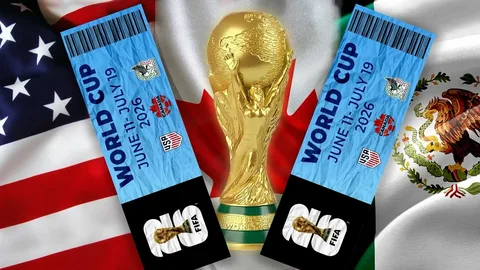
Against this backdrop, FIFA’s announcement of $60 tickets for loyal fans represents a clear response to the criticism. According to the organisation, the new pricing tier is designed to reward fans who have consistently engaged with the World Cup and other FIFA competitions over time.
In its statement, FIFA emphasised that the initiative aims to “recognise and value the commitment of supporters who have demonstrated long-term passion for the game.” The governing body described the move as part of a wider strategy to rebalance accessibility while maintaining the financial sustainability of the tournament.
The $60 price point is notably lower than many recent World Cup ticket categories, particularly those in high-demand matches or later knockout stages. FIFA has suggested that the tickets will be available in limited quantities and distributed through a defined eligibility system tied to fan engagement history.
Defining the ‘Loyal Fan’
One of the most contentious aspects of the announcement is FIFA’s definition of a “loyal fan.” While the organisation has not released exhaustive criteria, it has indicated that eligibility may be linked to prior ticket purchases, participation in official fan programmes, or long-term registration on FIFA’s digital platforms.
This approach has drawn mixed reactions. Supporters who have attended previous tournaments or consistently engaged with FIFA’s official channels have welcomed the recognition. Others, however, argue that loyalty to football cannot be reduced to digital metrics or purchasing history.
Critics note that many devoted fans, particularly those from lower-income regions, may not have the financial means or logistical capacity to attend past World Cups, despite following the sport passionately for decades. For these supporters, the concept of loyalty tied to transactional history risks reinforcing the very inequalities the initiative claims to address.
Fan Reactions and Public Response
Initial reactions from fans have ranged from cautious optimism to outright scepticism. Some supporters view the $60 tickets as a meaningful acknowledgement that FIFA has been listening to criticism. They argue that even a limited number of affordable tickets could help restore some balance to stadium crowds and ensure a more authentic atmosphere during matches.
Others remain unconvinced, pointing out that the initiative represents a small fraction of total ticket allocations. They argue that without broader reforms to pricing structures, the move risks being perceived as symbolic rather than transformative.
Fans’ groups have also raised questions about transparency, calling on FIFA to clearly outline how many $60 tickets will be available per match and how they will be distributed across host cities and participating nations. Without such details, critics argue, it is difficult to assess the true impact of the policy.
FIFA’s Commercial Balancing Act
From FIFA’s perspective, the challenge lies in balancing inclusivity with the immense financial demands of staging a World Cup. Hosting the tournament involves significant costs related to infrastructure, security, logistics, and global broadcasting operations. Revenue from ticket sales remains an important component of FIFA’s overall financial model.
FIFA officials have consistently defended premium pricing tiers as necessary to fund development programmes, support member associations, and invest in football infrastructure worldwide. In this context, the introduction of lower-priced tickets for loyal fans can be seen as an attempt to strike a compromise between commercial imperatives and public accountability.
However, critics argue that FIFA’s financial strength gives it greater flexibility than it acknowledges. With substantial reserves and lucrative sponsorship deals, the organisation, they contend, could absorb the cost of broader ticket subsidies without undermining its operational stability.
Implications for the Upcoming World Cup
The timing of the announcement is particularly significant as preparations intensify for the next World Cup. Ticketing policies are often among the most closely scrutinised aspects of tournament planning, shaping public perception long before the first match is played.
By introducing the $60 ticket category at this stage, FIFA may be seeking to rebuild trust with supporters and pre-empt further criticism as sales progress. The move also sends a signal to host nations and local organising committees that fan experience and accessibility remain on the agenda.
Whether the initiative will meaningfully alter the demographic makeup of World Cup crowds remains to be seen. Much will depend on the scale of the programme, the clarity of eligibility criteria, and the ease with which fans can access the tickets.
Broader Questions About Football Accessibility
Beyond the immediate context of the World Cup, the announcement has reignited broader debates about affordability in elite football. Rising ticket prices, subscription costs, and commercialisation have been persistent issues across domestic leagues and international competitions alike.
For many observers, FIFA’s decision highlights the growing tension between football as a global business and football as a cultural institution. While initiatives like the $60 loyal fan ticket may offer incremental progress, critics argue that they do not address the systemic forces driving exclusion.
Supporters’ organisations have called for more comprehensive engagement with fans, including consultation during ticketing policy development and greater representation in decision-making processes. They argue that genuine inclusivity requires structural change rather than reactive measures.
What Comes Next
FIFA has indicated that further details about the loyal fan ticket scheme will be released in phases, including information on application procedures and allocation timelines. The organisation has also suggested that it will monitor feedback closely and adjust elements of the programme if necessary.
For now, the $60 ticket announcement stands as a notable moment in FIFA’s ongoing relationship with its global fanbase. It reflects both the power of sustained criticism to influence policy and the complexity of reforming a tournament of such scale and commercial significance.
As the World Cup approaches, the effectiveness of this initiative will ultimately be judged not by its headline price, but by whether it genuinely enables more ordinary supporters to take their place in the stands. In a competition that prides itself on being the world’s game, the question of who gets to witness it live remains as important as ever.