
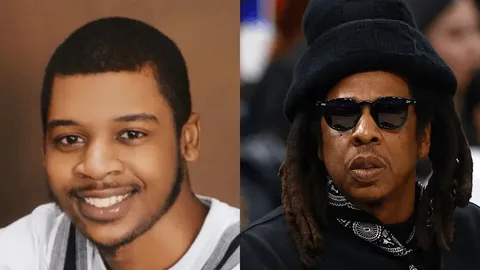
Jay-Z, the American rapper and entrepreneur whose real name is Shawn Carter, has secured a decisive legal victory after a court dismissed a long-running paternity lawsuit against him and ordered a six-figure payment in his favour to cover legal fees and related costs. The ruling brings to an end more than a decade of litigation that had periodically resurfaced in courts and media reports, and it closes the case permanently.
The lawsuit centred on claims that Jay-Z fathered a man named Rymir Satterthwaite following an alleged relationship with Satterthwaite’s late mother in the mid-1990s. The claims were first raised in 2010 and were repeatedly rejected by courts on procedural and substantive grounds. Despite multiple dismissals, the case continued to be pursued through various legal avenues over the years.
In its most recent decision, the court dismissed the case with prejudice, a legal term meaning that the claims cannot be brought again in the future. This effectively ends any further attempts to litigate the same allegations against Jay-Z. Alongside the dismissal, the judge ruled that Jay-Z was entitled to recover his legal costs, ordering the opposing party to pay approximately $120,000 in attorney’s fees and expenses.
The fee award was made under legal provisions designed to protect defendants from lawsuits deemed frivolous or abusive. The court concluded that the case met the threshold for such protections, noting that the claims had been pursued repeatedly despite earlier rulings that undermined their legal standing.
The origins of the dispute date back to a child support case filed in New Jersey in 2010 by Satterthwaite’s mother. That case was dismissed after the court found that it lacked jurisdiction. Following her death, the claim was taken up by Satterthwaite’s legal guardian, who continued to pursue paternity allegations against Jay-Z in multiple courts.
Over the years, the litigation moved between state and federal courts, with filings that sought to revive the claims through different legal arguments. Each attempt ultimately failed, with judges consistently finding that the claims could not proceed. In some instances, courts warned against continued filings, noting that the matter had already been resolved.
Jay-Z’s legal team has consistently denied the paternity allegations and described them as baseless. In court filings, his lawyers argued that the repeated lawsuits amounted to harassment and imposed unnecessary legal costs on their client. The most recent ruling appears to have accepted that position, at least to the extent that it justified awarding legal fees.
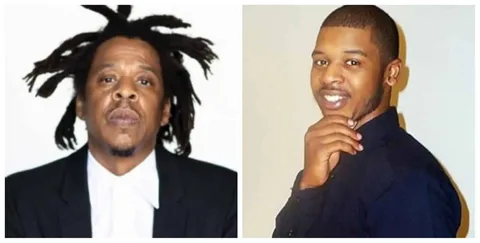
One point that drew public attention throughout the years was the question of DNA testing. Despite frequent public speculation, no court ever ordered Jay-Z to submit to a paternity test. Judges handling the case determined that the legal requirements for compelling such testing were not met, given the procedural history and the lack of a viable claim before the court.
The dismissal with prejudice is significant because it prevents any future court from reconsidering the same allegations. It signals that the legal system views the matter as conclusively resolved. For defendants, this type of dismissal offers the strongest form of legal closure.
The award of legal fees does not represent damages in the traditional sense. Instead, it reflects the court’s assessment that Jay-Z should be reimbursed for the costs he incurred defending himself against a lawsuit that the court found lacked merit. Such awards are not automatic and are typically granted only when specific legal standards are met.
The case has attracted attention partly because of Jay-Z’s public profile. As one of the most influential figures in the global music industry, he has long been subject to scrutiny that extends beyond his professional work. Legal disputes involving high-profile individuals often receive sustained media coverage, particularly when they persist over many years.
Despite the public interest, Jay-Z has not made extensive public comments about the case. His legal representatives have handled the matter through the courts, and the most recent ruling appears to mark the end of that approach. With the case dismissed and costs awarded, there are no outstanding legal actions related to these paternity claims.
The plaintiff, now an adult, has maintained that the lawsuit was an effort to establish biological parentage rather than to seek financial gain. However, courts assessing the case focused on legal standards rather than motivations. The repeated dismissals suggest that judges found the claims procedurally barred or unsupported by the necessary evidence to move forward.
Legal experts note that cases dismissed with prejudice and accompanied by fee awards send a strong message about the limits of litigation. While courts are open to hearing claims, they also have mechanisms to prevent repeated filings that revisit issues already decided. The use of fee awards is one such mechanism, intended to discourage the misuse of the legal system.
The length of time over which the dispute unfolded also highlights how some cases can persist despite early setbacks. The ability to file in different jurisdictions or under different legal theories can allow claims to continue longer than many observers expect. However, once a court issues a dismissal with prejudice and awards costs, the avenues for further action become extremely limited.
For Jay-Z, the ruling provides both legal and financial relief. While the six-figure sum does not approach the scale of his personal wealth, it represents official recognition that defending against the case imposed a measurable burden. The outcome also removes a lingering legal issue that had periodically resurfaced in public discussion.
The decision may also have broader implications for other public figures facing long-running claims. It illustrates how courts may respond when litigation crosses the line from persistent to abusive, particularly when prior rulings have already addressed the underlying issues.
As things stand, there are no pending paternity claims against Jay-Z related to this matter. The court’s ruling is final, and the legal record reflects a clear conclusion. With the lawsuit dismissed and the fee award granted, the case is considered fully resolved under the law.
The outcome brings an end to a legal saga that spanned more than a decade, multiple courts, and repeated attempts to revive the same allegations. It leaves Jay-Z free of any further obligation to respond to these claims and underscores the authority of courts to bring protracted litigation to a definitive close.