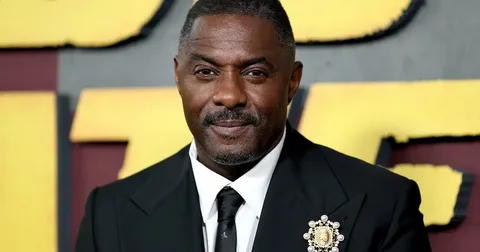
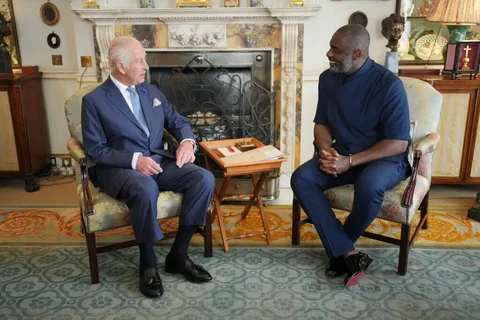
When the United Kingdom confers a knighthood, it is rarely just about fame. Titles of this weight are reserved for individuals whose influence stretches beyond personal success and enters the realm of public value. Idris Elba’s inclusion in the New Year Honours list, for his contributions to the arts and humanitarian work, sits firmly in that tradition, but it also opens a broader conversation about cultural power, representation and responsibility in modern Britain.
At first glance, the story looks straightforward. A globally recognised actor, producer and creative force is honoured by the Crown. Yet to reduce Elba’s knighthood to another celebrity accolade misses the deeper significance of what this recognition reflects and why it feels particularly resonant now.
A Knighthood Anchored in Cultural Labour, Not Celebrity Noise
Idris Elba’s career has never followed the predictable arc of stardom. While many actors build success around a narrow identity, Elba has consistently resisted being boxed in. From television to film, from British crime dramas to Hollywood blockbusters, his body of work reflects a deliberate effort to expand what mainstream audiences expect from Black British talent.
The knighthood acknowledges decades of cultural labour, not viral moments or fleeting popularity. His performances have helped reshape global perceptions of British storytelling, particularly in genres where Black actors were once marginal or stereotyped. In that sense, the honour is not merely personal, it validates a wider creative ecosystem that has often operated without institutional recognition.
Importantly, this distinction places Elba among artists whose work has influenced how Britain is seen abroad. Cultural exports remain one of the UK’s most powerful soft power tools, and Elba’s career has contributed to that influence in a way few actors of his generation have managed.
Humanitarian Work as a Central, Not Peripheral, Achievement
What truly sets this knighthood apart is the equal emphasis placed on humanitarian work. This is not an afterthought or a charitable footnote added to balance a successful acting career. Elba’s social impact has been intentional, structured and sustained.
Central to this effort is the Elba Hope Foundation, which he co-founded alongside his wife, Sabrina Elba. Unlike many celebrity foundations that operate primarily as grant-making bodies, Elba Hope focuses on long-term systems change, particularly in areas of youth development, climate resilience and economic empowerment.
Sabrina Elba’s involvement is not symbolic. She plays an active role in shaping the foundation’s strategic direction, particularly around partnerships and global advocacy. Together, they have positioned the foundation as a bridge between policy, community action and international development conversations. This joint approach has helped the foundation gain credibility beyond the usual celebrity charity circuit.
The knighthood, therefore, recognises a model of service that blends influence with accountability. It acknowledges that humanitarian work, when done with seriousness and structure, can be as impactful as artistic achievement.
Why This Honour Feels Different in This Era
Timing matters in honours like this. Elba’s knighthood arrives at a moment when conversations about inclusion, representation and national identity are still evolving in Britain. It sends a subtle but important signal about who is seen as a contributor to the national story.
For decades, honours lists reflected a narrow definition of British excellence. While progress has been made, recognition of Black British creatives at the highest levels remains relatively recent. Elba’s knighthood does not erase historical exclusions, but it does mark a continued shift in how cultural contribution is defined and rewarded.
This matters not just for symbolism, but for institutional memory. Honours shape narratives about whose work is worth preserving and celebrating. By elevating someone whose career has been shaped by navigating, and often challenging, structural limitations, the system itself is forced to acknowledge change.
Beyond Acting: A Multi-Dimensional Public Figure
One reason Elba’s recognition feels earned rather than ceremonial is his refusal to remain within a single professional lane. Beyond acting, he has worked as a producer, musician and advocate for African development and diaspora engagement. His involvement in conversations around sustainable growth in Africa has added nuance to discussions often dominated by external voices.
Through the Elba Hope Foundation and other initiatives, he has highlighted the importance of investment, skills development and climate resilience on the continent. This approach avoids the saviour narrative that often undermines celebrity-led humanitarian work. Instead, it centres partnership, dignity and long-term outcomes.
That philosophy aligns with a more contemporary understanding of service, one that values collaboration over charity and systems over optics.
A Knighthood That Redefines Legacy
Titles like “Sir” often come with assumptions about tradition and conservatism. Yet Elba’s knighthood challenges that notion by attaching the honour to a career defined by reinvention and boundary-pushing. His legacy is not rooted in preserving the status quo, but in expanding what is possible within it.
This redefinition is particularly relevant for younger creatives who see institutional recognition as distant or inaccessible. Elba’s journey illustrates that sustained excellence, paired with social responsibility, can eventually reshape the very institutions that once seemed exclusionary.
It also reframes success as something more holistic. Achievement is not measured solely by awards or box office numbers, but by the ability to influence systems, uplift communities and contribute meaningfully to public life.
What This Means Beyond the Headlines
While news cycles will move on, the implications of this knighthood remain. It reinforces the idea that cultural work has civic value. It validates humanitarian engagement as a serious endeavour when approached with depth and commitment. And it reflects a gradual broadening of how Britain recognises those who shape its present and future.
For Idris and Sabrina Elba, the honour underscores a shared vision of influence that goes beyond individual acclaim. For observers, it offers a reminder that recognition, when thoughtfully granted, can signal progress without overstating it.
Ultimately, this knighthood is less about a title and more about what the title now represents. In acknowledging Idris Elba’s contributions, Britain is also acknowledging the evolving nature of service, culture and leadership in a world where impact is measured not just by visibility, but by substance.When the United Kingdom confers a knighthood, it is rarely just about fame. Titles of this weight are reserved for individuals whose influence stretches beyond personal success and enters the realm of public value. Idris Elba’s inclusion in the New Year Honours list, for his contributions to the arts and humanitarian work, sits firmly in that tradition, but it also opens a broader conversation about cultural power, representation and responsibility in modern Britain.
At first glance, the story looks straightforward. A globally recognised actor, producer and creative force is honoured by the Crown. Yet to reduce Elba’s knighthood to another celebrity accolade misses the deeper significance of what this recognition reflects and why it feels particularly resonant now.
A Knighthood Anchored in Cultural Labour, Not Celebrity Noise
Idris Elba’s career has never followed the predictable arc of stardom. While many actors build success around a narrow identity, Elba has consistently resisted being boxed in. From television to film, from British crime dramas to Hollywood blockbusters, his body of work reflects a deliberate effort to expand what mainstream audiences expect from Black British talent.
The knighthood acknowledges decades of cultural labour, not viral moments or fleeting popularity. His performances have helped reshape global perceptions of British storytelling, particularly in genres where Black actors were once marginal or stereotyped. In that sense, the honour is not merely personal, it validates a wider creative ecosystem that has often operated without institutional recognition.
Importantly, this distinction places Elba among artists whose work has influenced how Britain is seen abroad. Cultural exports remain one of the UK’s most powerful soft power tools, and Elba’s career has contributed to that influence in a way few actors of his generation have managed.
Humanitarian Work as a Central, Not Peripheral, Achievement
What truly sets this knighthood apart is the equal emphasis placed on humanitarian work. This is not an afterthought or a charitable footnote added to balance a successful acting career. Elba’s social impact has been intentional, structured and sustained.
Central to this effort is the Elba Hope Foundation, which he co-founded alongside his wife, Sabrina Elba. Unlike many celebrity foundations that operate primarily as grant-making bodies, Elba Hope focuses on long-term systems change, particularly in areas of youth development, climate resilience and economic empowerment.
Sabrina Elba’s involvement is not symbolic. She plays an active role in shaping the foundation’s strategic direction, particularly around partnerships and global advocacy. Together, they have positioned the foundation as a bridge between policy, community action and international development conversations. This joint approach has helped the foundation gain credibility beyond the usual celebrity charity circuit.
The knighthood, therefore, recognises a model of service that blends influence with accountability. It acknowledges that humanitarian work, when done with seriousness and structure, can be as impactful as artistic achievement.
Why This Honour Feels Different in This Era
Timing matters in honours like this. Elba’s knighthood arrives at a moment when conversations about inclusion, representation and national identity are still evolving in Britain. It sends a subtle but important signal about who is seen as a contributor to the national story.
For decades, honours lists reflected a narrow definition of British excellence. While progress has been made, recognition of Black British creatives at the highest levels remains relatively recent. Elba’s knighthood does not erase historical exclusions, but it does mark a continued shift in how cultural contribution is defined and rewarded.
This matters not just for symbolism, but for institutional memory. Honours shape narratives about whose work is worth preserving and celebrating. By elevating someone whose career has been shaped by navigating, and often challenging, structural limitations, the system itself is forced to acknowledge change.
Beyond Acting: A Multi-Dimensional Public Figure
One reason Elba’s recognition feels earned rather than ceremonial is his refusal to remain within a single professional lane. Beyond acting, he has worked as a producer, musician and advocate for African development and diaspora engagement. His involvement in conversations around sustainable growth in Africa has added nuance to discussions often dominated by external voices.
Through the Elba Hope Foundation and other initiatives, he has highlighted the importance of investment, skills development and climate resilience on the continent. This approach avoids the saviour narrative that often undermines celebrity-led humanitarian work. Instead, it centres partnership, dignity and long-term outcomes.
That philosophy aligns with a more contemporary understanding of service, one that values collaboration over charity and systems over optics.
A Knighthood That Redefines Legacy
Titles like “Sir” often come with assumptions about tradition and conservatism. Yet Elba’s knighthood challenges that notion by attaching the honour to a career defined by reinvention and boundary-pushing. His legacy is not rooted in preserving the status quo, but in expanding what is possible within it.
This redefinition is particularly relevant for younger creatives who see institutional recognition as distant or inaccessible. Elba’s journey illustrates that sustained excellence, paired with social responsibility, can eventually reshape the very institutions that once seemed exclusionary.
It also reframes success as something more holistic. Achievement is not measured solely by awards or box office numbers, but by the ability to influence systems, uplift communities and contribute meaningfully to public life.
What This Means Beyond the Headlines
While news cycles will move on, the implications of this knighthood remain. It reinforces the idea that cultural work has civic value. It validates humanitarian engagement as a serious endeavour when approached with depth and commitment. And it reflects a gradual broadening of how Britain recognises those who shape its present and future.
For Idris and Sabrina Elba, the honour underscores a shared vision of influence that goes beyond individual acclaim. For observers, it offers a reminder that recognition, when thoughtfully granted, can signal progress without overstating it.
Ultimately, this knighthood is less about a title and more about what the title now represents. In acknowledging Idris Elba’s contributions, Britain is also acknowledging the evolving nature of service, culture and leadership in a world where impact is measured not just by visibility, but by substance.