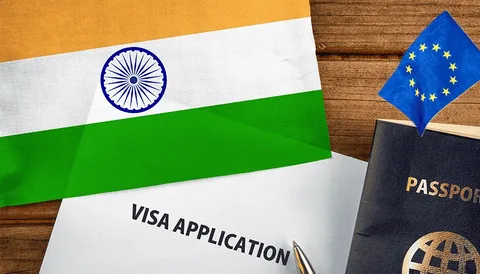
India has officially announced that it will begin offering free 30-day tourist visas to Russian travellers, marking one of the most significant shifts in its recent visa policy and signalling an effort to deepen bilateral ties through enhanced mobility and tourism. The announcement was made during Russian President Vladimir Putin’s visit to New Delhi, where Prime Minister Narendra Modi confirmed that Russian citizens will soon be able to access a free single-entry 30-day e-tourist visa as well as a similar group visa option.
The move is part of a wider attempt by both countries to revitalise people-to-people engagement and expand tourism after a period of slowed international travel. According to Indian officials present at the briefing, the free visa will eliminate all processing fees previously required, simplifying the entry process for Russian visitors and encouraging a higher volume of travel between the two nations. The visa is expected to be processed online, significantly reducing paperwork and streamlining the application experience for Russian tourists planning visits to India’s major cultural and leisure destinations.
The announcement has been interpreted as a strategic diplomatic gesture, reinforcing the longstanding partnership between India and Russia. Over the decades, the two nations have maintained close cooperation in sectors ranging from defence to energy, and this latest development underscores a renewed emphasis on strengthening social, cultural, and economic interactions. Prime Minister Modi noted that tourism remains an essential component of mutual understanding, adding that making travel easier for Russian citizens reflects India’s broader commitment to improving access and nurturing stronger interpersonal ties.
Tourism professionals within India have responded positively to the development, acknowledging the importance of the Russian market in India’s inbound tourism landscape. Russian tourists have historically been drawn to Indian destinations such as Goa, Kerala, Ladakh, and Rajasthan, contributing significantly to the hospitality, aviation, and local tourism sectors. The introduction of free visas is expected to accelerate these travel patterns even further, particularly among long-stay tourists who seek warmer climates and diverse cultural experiences.
Industry observers predict a substantial boost in Russian arrivals once the new policy begins implementation. Airlines already operating direct or connecting routes between the two countries have reported a steady rise in traffic, with tens of thousands of Russian passengers travelling to India in the months leading up to this announcement. For tourism operators, hotels, and local vendors—especially in states with strong Russian visitor presence—the policy shift may provide new momentum for recovery and expansion going into 2026.
Beyond tourism, the announcement is seen as part of a larger package of diplomatic engagements between India and Russia. During Putin’s visit, both leaders discussed ongoing cooperation in areas such as clean energy, nuclear technology, trade diversification, and defence manufacturing. India has also increased its diplomatic footprint in Russia with new consulates opening in additional cities, allowing for smoother consular services for citizens of both nations. The free visa scheme has therefore been positioned not only as a gesture of goodwill but also as a practical step toward enabling more fluid exchange at a time when global travel remains in flux.
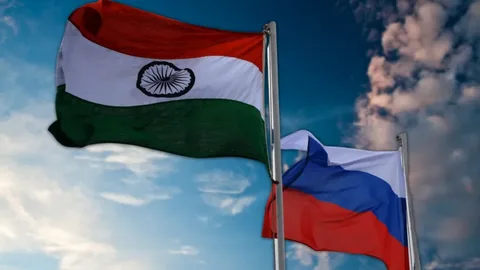
While Russian travellers are set to benefit immediately from India’s visa concession, questions remain about whether Moscow will introduce reciprocal measures for Indian tourists. Russia has been reviewing its own visa regulations over recent years, including discussions about expanding electronic visa systems for select countries. However, Russian officials have indicated that technical and administrative adjustments must be made before any full reciprocity can be introduced. For now, India’s decision stands as a one-sided but symbolic move intended to encourage greater movement and exploration among Russian visitors.
The timing of the announcement is also notable given the global geopolitical climate. India continues to balance its relationships with multiple major powers, maintaining cooperation with Russia in sectors such as energy while also engaging with Western nations on trade, technology, and security. By offering free tourist visas to Russians, India demonstrates its intention to uphold independent diplomatic choices that prioritise long-term strategic and cultural ties. The policy reflects an approach that emphasises engagement rather than isolation, cultural exchange rather than barriers.
As implementation details are finalised, travellers from Russia will eventually be able to apply through India’s existing online visa platform. The free visa will allow a single 30-day stay within India, suitable for short holidays, leisure exploration, or cultural visits. Tourism authorities are preparing for an increase in demand, anticipating that more Russian families, groups, and independent travellers will consider India as a cost-effective and accessible destination.
The hospitality sector in India has already begun positioning itself to attract this incoming wave, with resorts in popular locations gearing up marketing campaigns tailored toward Russian travellers. Tour operators expect that the simplified visa process will reduce hesitation among first-time visitors while renewing interest among return tourists who may have been deterred by the previous visa fees or bureaucratic steps.
In the broader context of India-Russia relations, the free visa initiative is expected to play a meaningful role in strengthening the social and cultural bridge between the two countries. As both governments work toward deeper collaboration and diversified engagement, increased tourism can create the type of interpersonal familiarity that reinforces diplomatic intentions at a grassroots level.
The rollout of this visa policy in 2026 will be closely watched by tourism analysts, foreign policy experts, and industry stakeholders. While the immediate effect is likely to be a noticeable increase in Russian arrivals, its long-term influence may extend far beyond tourism, touching on cultural diplomacy, economic exchange, and sustained bilateral cooperation.
India’s decision to remove the financial barrier from the tourist visa process marks a clear shift toward openness and connectivity. As the country continues to position itself as a global travel hub and a strategic partner to multiple nations, such initiatives signal a commitment to building bridges through accessibility, cultural exchange, and simplified travel. For Russian tourists planning to explore India’s landscapes, architecture, history, wellness traditions, and vibrant urban centres, the new 30-day free visa will soon offer a welcoming and uncomplicated entry point into one of the world’s most diverse destinations.