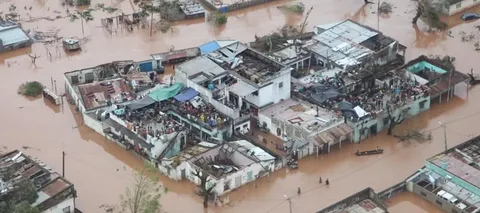
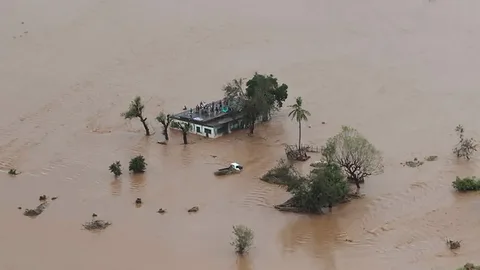
More than 640,000 people have been affected by catastrophic flooding across Mozambique following weeks of intense rainfall that overwhelmed rivers, dams, and drainage systems in several parts of the country. The floods have displaced hundreds of thousands, destroyed homes and farmland, disrupted essential services, and placed additional strain on an already fragile humanitarian situation.
Authorities and humanitarian agencies report that the scale of the flooding is among the most severe the country has experienced in recent years. Multiple provinces have been impacted, with low-lying and riverine communities bearing the brunt of the damage. Many families have been forced to flee with little notice as water levels rose rapidly, leaving behind homes, livestock, and personal belongings.
The floods have compounded existing vulnerabilities linked to poverty, food insecurity, and recurring climate-related disasters, pushing large numbers of people into urgent need of assistance.
Areas Most Affected
Flooding has affected wide stretches of central and northern Mozambique, particularly areas located along major river basins. Provinces prone to seasonal flooding experienced rapid overflow after sustained heavy rainfall upstream, leading to sudden inundation of towns, villages, and agricultural land.
In several districts, entire communities were cut off as roads and bridges collapsed or became impassable. Access to affected areas has been a major challenge for emergency responders, especially in rural regions where infrastructure was already limited.
Urban centres were not spared. Informal settlements on the outskirts of cities, often built in flood-prone zones, suffered extensive damage as drainage systems failed to cope with the volume of water.
Human toll and displacement
While authorities continue to assess the full impact, more than 640,000 people are confirmed to have been affected, either through displacement, loss of shelter, or damage to livelihoods. Thousands of families are currently sheltering in temporary accommodation, including schools, churches, and makeshift camps established by local authorities.
Displacement sites are overcrowded in many locations, raising concerns about sanitation, access to clean water, and the spread of disease. Women, children, older people, and those with disabilities are among the most vulnerable, particularly where access to healthcare has been disrupted.
Some families have been displaced multiple times, having previously fled earlier floods or other climate-related emergencies. This cycle of repeated displacement has eroded coping mechanisms and increased dependence on humanitarian support.
Damage to Homes and Infrastructure
Preliminary assessments indicate widespread destruction of housing, with thousands of homes either partially damaged or completely destroyed. Many structures in affected areas are built from materials that are not resistant to prolonged exposure to floodwaters, leading to collapse or severe structural damage.
Critical infrastructure has also been hit hard. Roads and bridges essential for trade and access to services have been washed away, isolating communities and slowing relief efforts. Power supply and telecommunications were disrupted in several districts, further complicating coordination and emergency response.
Water and sanitation systems have been damaged, contaminating water sources and increasing the risk of waterborne diseases. Health facilities in flood-affected areas have reported damage to buildings and shortages of medical supplies.
Impact on Agriculture and Food Security
Agriculture, which employs a large portion of Mozambique’s population, has suffered significant losses. Floodwaters submerged vast areas of farmland, destroying crops at various stages of growth and washing away stored food supplies.
The flooding occurred during a critical period for many farmers, raising concerns about reduced harvests and longer-term food shortages. Livestock losses have also been reported, further undermining household incomes and nutrition.
Food insecurity was already a major concern in several parts of Mozambique before the floods. The damage to crops and markets is expected to push more families into reliance on food assistance in the coming months.
Health Risks and Disease Concerns
The Mozambique floods have heightened the risk of disease outbreaks, particularly cholera, malaria, and other water- and vector-borne illnesses. Standing water provides breeding grounds for mosquitoes, while damaged sanitation systems increase exposure to contaminated water.
Health authorities have reported increased pressure on clinics and hospitals in affected areas, many of which are operating with limited resources. Displaced populations living in crowded conditions face elevated health risks, especially where access to clean water and hygiene facilities is insufficient.
Efforts are underway to provide emergency healthcare, vaccinations, and public health messaging, but access challenges and funding constraints continue to limit coverage.
Emergency Response Efforts
The Mozambican government has activated emergency response mechanisms and is working with humanitarian partners to provide immediate assistance. This includes the distribution of food, clean water, shelter materials, and essential household items to affected families.
Search and rescue operations were carried out in the early stages of the floods, particularly in areas where communities were cut off by rising waters. As floodwaters recede in some regions, assessments are ongoing to determine longer-term recovery needs.
Humanitarian agencies have emphasised the need for sustained support beyond the initial emergency phase, noting that recovery will take months and, in some cases, years.
Funding and Capacity Challenges
Despite ongoing response efforts, funding gaps remain a significant concern. Mozambique faces multiple overlapping crises, including recurring natural disasters and economic pressures, which have stretched national and international response capacity.
Humanitarian organisations warn that without additional funding, assistance may not reach all those in need, particularly in remote or hard-to-access areas. The scale of the floods has once again highlighted the country’s vulnerability to climate shocks and the need for greater investment in disaster preparedness and resilience.
Climate Context And Recurring Floods
Mozambique is highly exposed to climate-related hazards, including floods, cyclones, and droughts. In recent years, extreme weather events have become more frequent and severe, consistent with broader regional climate trends.
Flooding is a recurring challenge, especially during the rainy season, but the current disaster stands out due to the number of people affected and the extent of damage across multiple provinces.
Experts have repeatedly warned that without improved flood management, early warning systems, and resilient infrastructure, such disasters will continue to have devastating impacts on vulnerable communities.
Long-Term Implications
Beyond the immediate humanitarian needs, the floods are expected to have lasting social and economic consequences. Disrupted education due to damaged schools, loss of livelihoods, and prolonged displacement threaten to reverse development gains in affected regions.
Rebuilding homes, infrastructure, and agricultural systems will require significant resources and coordinated planning. Authorities face the challenge of balancing urgent recovery needs with long-term strategies to reduce future flood risk.
What Happens Next
As emergency operations continue, attention is gradually shifting toward recovery and reconstruction. Detailed assessments will guide decisions on rebuilding, relocation of high-risk communities, and strengthening disaster preparedness.
For the hundreds of thousands affected, the coming months will be critical. Access to shelter, food, healthcare, and livelihoods will determine how quickly families can recover and whether they can withstand future shocks.
The floods have once again underscored the scale of humanitarian need in Mozambique and the growing impact of extreme weather on vulnerable populations. With more than 640,000 people affected, the disaster represents not only a national emergency but also a broader warning about the human cost of climate-related crises in the region.